





.svg)


TREATMENT:
Sports / Therapeutic Massage
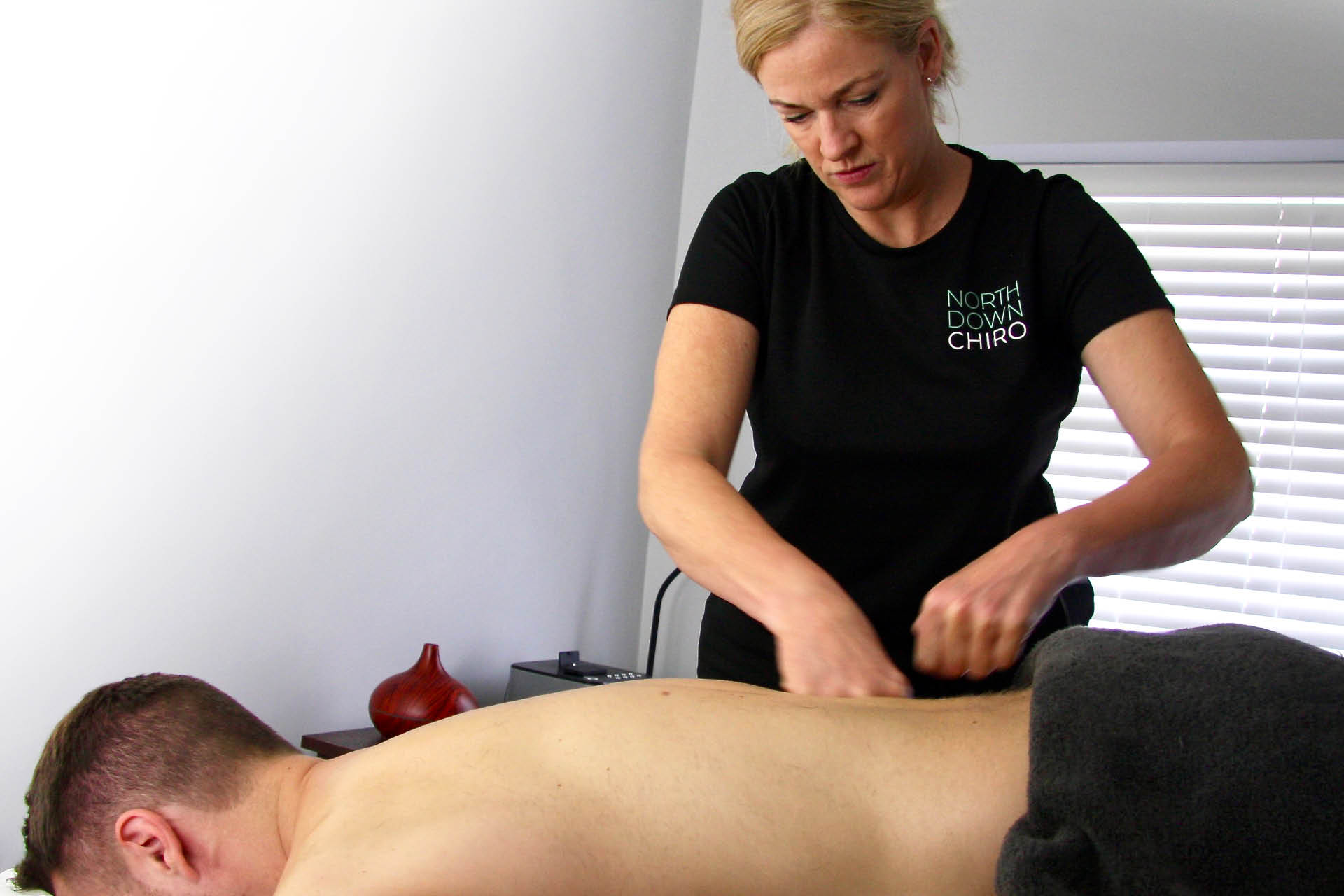
Massage therapy is a clinical or therapeutic, hands-on treatment involving the manipulation of soft tissues—muscles, tendons, ligaments, and fascia—using techniques like rubbing, kneading, and tapping. It is used to relieve pain, reduce stress, improve circulation, and rehabilitate injuries, often performed by a registered massage therapist to enhance overall well-being.
.svg)
About service/who does it
Massage therapy at our clinic is carried out by our two massage therapists Rachael Castell and Helen McCann. You can either be referred by a chiropractor or physiotherapist or directly book in with our massage therapists. They will use a variety of massage based techniques to ease tension, reduce pain and settle the nervous system. Massage will work fantastically as a package our care at NDCP or as a stand alone therapy.
How it can help
How Massage Therapy Reduces Pain and Eases Tension
Massage therapy is more than a relaxing experience — it is a powerful, evidence-informed approach to reducing pain, relieving tension, and restoring balance in the body. Through targeted touch and therapeutic techniques, massage works on multiple systems at once to help you feel better physically and mentally.
One of the primary ways massage reduces pain is by improving circulation. As pressure is applied to muscles and soft tissues, blood flow increases to the treated areas. This enhanced circulation delivers oxygen and essential nutrients to cells while helping remove metabolic waste that can contribute to soreness and inflammation. By supporting the body’s natural healing processes, massage can reduce swelling and speed recovery from physical strain or injury.
Massage also directly addresses muscle tightness. Tension can build from stress, repetitive movement, poor posture, or injury, causing muscle fibers to shorten and sometimes form adhesions, often described as “knots.” Through skilled manipulation and stretching of the tissue, massage helps loosen tight fibers, break up adhesions, and restore normal movement patterns. As muscles relax, they place less pressure on joints and nerves, often resulting in noticeable pain relief and improved flexibility.
Another key benefit of massage therapy is its effect on the nervous system. Massage stimulates the parasympathetic nervous system, sometimes called the “rest and digest” response. This helps slow the heart rate, lower blood pressure, and decrease levels of stress hormones such as cortisol. At the same time, the body releases endorphins, serotonin, and dopamine — natural chemicals that enhance mood and reduce the perception of pain. This combination of physical and chemical changes contributes to both relaxation and relief.
Main conditions treated
- Muscle tightness and soreness
- Stress relief
- Tension in neck and shoulders
- Aiding sleep
- Promoting a sense of well being
- Aid relaxation
- Co-manage with other therapists as a package of care
What to expect
If you’ve never had a massage before — or it’s been a while — it’s completely normal to feel unsure about what will happen. Knowing what to expect can help you feel more comfortable and relaxed from the moment you arrive.
When you first arrive, your massage therapist will typically begin with a brief consultation. You’ll be asked about your health history, any injuries, areas of pain or tension, and your goals for the session. This is your opportunity to mention anything important, such as recent surgeries, chronic conditions, pregnancy, or areas you would like the therapist to focus on or avoid. Clear communication helps ensure your treatment is both safe and effective.
After the consultation, your therapist will explain the treatment plan and step out of the room so you can undress to your comfort level and lie down on the massage table. You will always be properly draped with a sheet or blanket, and only the area being worked on will be uncovered at any time. Professional draping protects your privacy and comfort throughout the session.
During the massage, your therapist may use a variety of techniques depending on your needs, such as long relaxing strokes, deeper pressure to address muscle tension, or targeted work on specific problem areas. You may be asked occasionally if the pressure feels comfortable. It’s important to speak up if something feels too intense or not deep enough — massage should never feel harmful or unbearable.
Most people find that they relax deeply during their session. Some even fall asleep. You might notice areas of tenderness where muscles have been tight, but this should feel like “good discomfort” rather than sharp pain. Slow, steady breathing can help your body relax and get the most benefit from the treatment.
At the end of the session, your therapist will leave the room to allow you to get dressed privately. When you’re ready, they may check in with you, offer feedback about areas of tension, and provide simple aftercare suggestions. These might include drinking water, gentle stretching, or resting if you feel tired.
It’s common to feel very relaxed immediately after a massage. Some people also experience mild soreness the next day, especially after deeper work. This typically resolves within 24 to 48 hours and is part of the body’s natural response to muscle release.
FAQS
Will I be sore afterwards?
What happens during a massage appointment?
What can massage help with?
Do I need a referral for massage?


